

Module
Méthodes et outils en épidémiologie de la santé de la mère et de l’enfant
Teaching conducted in French
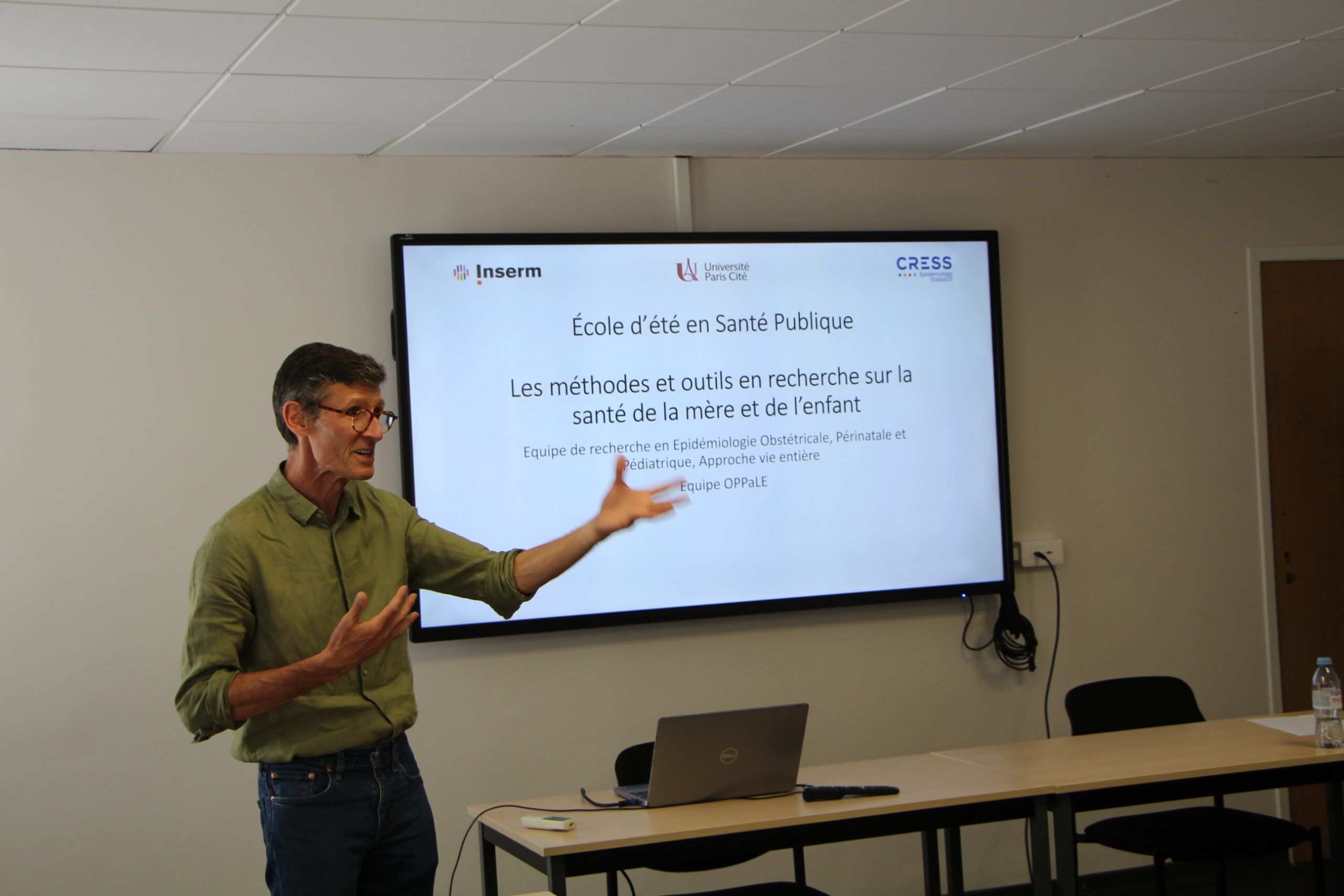
This course is designed to introduce epidemiological tools and methods applied to the field of women’s, maternal and child health. After reviewing the challenges of conducting research in this field, we will discuss cohorts and develop methods for measuring and monitoring maternal and child health, studying health determinants, evaluating diagnostic methods and implementing complex interventions. We will also cover the principles of data analysis and share examples of applied research from our work. Finally, we will discuss potential difficulties and biases and their impact on public health.
By the end of the module, participants will be able to i) understand the key concepts of maternal and paediatric epidemiology, ii) know/identify the most appropriate epidemiological tools and methodologies for monitoring and understanding the determinants of health in these populations, and iii) critically interpret the results of epidemiological studies in this field.
Prerequisites: basic knowledge of epidemiology and biostatistics
General information
About the course
Dates
Prices
Programme
Day 1
Session 1: Major challenges in (and for) research on maternal and child health (PY Ancel)
- Introduction to the challenges of research on maternal and child health (PY Ancel)
- Ethical questions surrounding research on the perinatal context (Elie Azria)
- The legal and regulatory framework for research: basic principles to know when conducting research (Valérie Benhammou)
Session 2 What tools can be used to measure and monitor maternal and child health? (C Deneux, J Zeitlin, C Le Ray)
- National perinatal surveys (C Le Ray)
- Audits of maternal deaths (C Deneux)
- Perinatal health information systems
- Europe (Marianne Philibert)
- France: Use of large medical-administrative databases (Flora Blangis)
Day 2
Session 3: Determinants of health: Challenges in accurately measuring environmental factors and social inequalities (Blandine de Lauzon, Stéphanie Goujon, S Lioret, E Azria)
- Urbanisation (Wen Lun Yuan)
- Diet (Claire Guivarch)
- Social inequalities (Speaker to be confirmed)
Session 4: What can we learn from cohort studies? (PY Ancel, V Pierrat, B Heude, MA Charles)
- The value of cohorts in assessing children’s needs, medical practices and healthcare organisation (speaker to be confirmed)
- Cohorts in the general population (MA Charles)
Day 3
Session 5: Why and how to conduct mixed research, epidemiology and social sciences, in perinatal and child health? (S Lioret, P Sauvegrain, C Deneux)
- Public health intervention: Ecail – a smart programme (speaker to be confirmed)
- Organisation of maternity wards and severe maternal complications (speaker to be confirmed)
Session 6: Methodology for evaluating diagnostic tests: examples in paediatrics (M Chalumeau)
Speakers

Pr. Pierre-Yves Ancel
Pierre-Yves Ancel professor of Public Health at University Paris Cité and a perinatal epidemiologist. He’s the director of the Obstetrical, Perinatal and Pediatric Life course Epidemiology Team (OPPaLE), of the Centre of Research in Epidemiology and Statistics (CRESS). He coordinates research on long-term consequences of very (<32 weeks of gestational age) and moderately (32-34 weeks) preterm births and their perinatal determinants (PI of the EPIPAGE 2 national cohort study and co-PI, with Marie-Aline Charles (Inserm Research Director), of the RECONAI platform).

Pr. Elie Azria
Elie Azria is professor of obstetrics and gynecology at the Université Paris Cité and head of the Groupe Hospitalier Paris Saint Joseph maternity unit in Paris, and a researcher in epidemiology. His research focuses on understanding the mechanisms of social inequalities in maternal and perinatal health and identifying relevant intervention to reduce their magnitude, as well as to promote access to healthcare for women in the most deprived social situations, migrant women in particular.

Sandrine Lioret
Sandrine Lioret is epidemiologist and public health researcher, working at the OPPaLE (Obstetric, Perinatal, Paediatric, Lifecourse Epidemiology) team, CRESS (Inserm UMR 1153). Her research is driven by the social inequalities in health, with a focus on early growth and obesity. She’s interested in how energy balance-related behaviours, i.e. diet, sedentary behaviours (especially excessive screen time) and physical activity, mediate such inequalities, through both observational and intervention approaches. In particular, she draws on the EDEN mother-child cohort, the Elfe birth cohort and the ENFAMS study, carried out among families experiencing homelessness. In addition, she’s engaged in the scale-up evaluation of the evidence-based INFANT Program in Australia and principal investigator of the ECAIL trial, currently implemented among socially disadvantaged families

Priscille Sauvegrain
Priscille Sauvegrain is a lecturer and researcher at Sorbonne University, where she heads the university’s Maieutics department. A midwife and sociologist, she is affiliated with the CRESS-OPPaLE team for her research and with AP-HP Pitié-Salpêtrière for her clinical work. Her research focuses on social inequalities in maternal health between foreign and French women in France and the quality of care they receive. Since her thesis, she has conducted numerous studies using qualitative approaches or in collaboration with epidemiologist colleagues. She currently conducts and supervises research on early social inequalities in health, violence in perinatal care (known as gynaecological and obstetric care) and the mental health of immigrant women during the perinatal period.
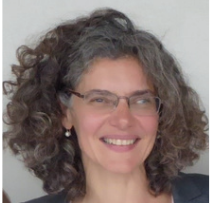
Dr. Catherine Deneux-Tharaux
After beginning her career as a clinician, Catherine Deneux-Tharaux chose to become a full-time researcher in perinatal epidemiology. She is currently Director of Research at INSERM. Her research focuses on identifying the determinants of the most severe maternal complications: maternal mortality and severe morbidity, with a particular interest in determinants related to care and its quality. The ultimate goal is to identify areas for improvement in order to reduce the occurrence of these serious events. Postpartum haemorrhage (the leading cause of maternal mortality worldwide) and maternal mental health (a new major problem) are among the key events that interest her. Her research programme combines observational and interventional approaches (RCTs) in France and Europe. She is deputy director of the CRESS OPPaLE team, where she co-directs the ‘Women’s health in relation to pregnancy’ group. She coordinates the National Confidential Enquiry into Maternal Mortality (ENCMM) and chairs the scientific council of the French Society of Perinatal Medicine (SFMP). More recently, she has co-directed the iWISH Women’s Health Institute at Paris Cité University.
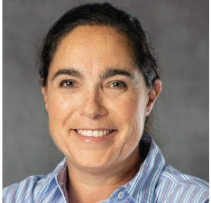
Pr. Camille Le Ray
Camille Le Ray is a professor of obstetrics and gynaecology at the Port Royal Maternity Hospital and Paris Cité University. Her research focuses primarily
on risk factors for obstetric complications during labour and delivery and the impact of medical interventions during labour and delivery on maternal and perinatal outcomes. She is the scientific director of national perinatal surveys.
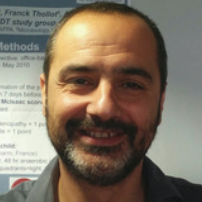
Pr. Martin Chalumeau
Martin Chalumeau is a doctor of medicine and holds a PhD. He is a professor of paediatrics at Paris Cité University. His research focuses on paediatric clinical epidemiology and decision-making. He heads the ‘Children’s and Adolescents’ Health: From Early Determinants to Optimal Care’ group within the OPPaLE team (Inserm U1153) and coordinates the FHU VEAVE initiative, which aims to reduce the incidence, delays in diagnosis and protection, and long-term harmful consequences of violence against children and adolescents. He is a member of the Royal Academy of Medicine of Belgium.
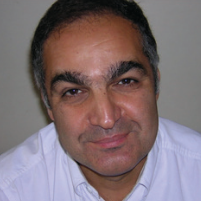
Babak Khoshnood
Babak Khoshnood is an epidemiologist and physician. His main area of research focuses on congenital anomalies, particularly heart defects and neural tube defects. His research involves analysing prospective data from population–based cohorts and long–term registries, including those from the European network for the surveillance of congenital anomalies (EUROCAT). He also has a keen interest in statistical methods and their applications in epidemiology.