

Module
Introduction aux approches statistiques pour l’analyse de données longitudinales
Teaching conducted in French
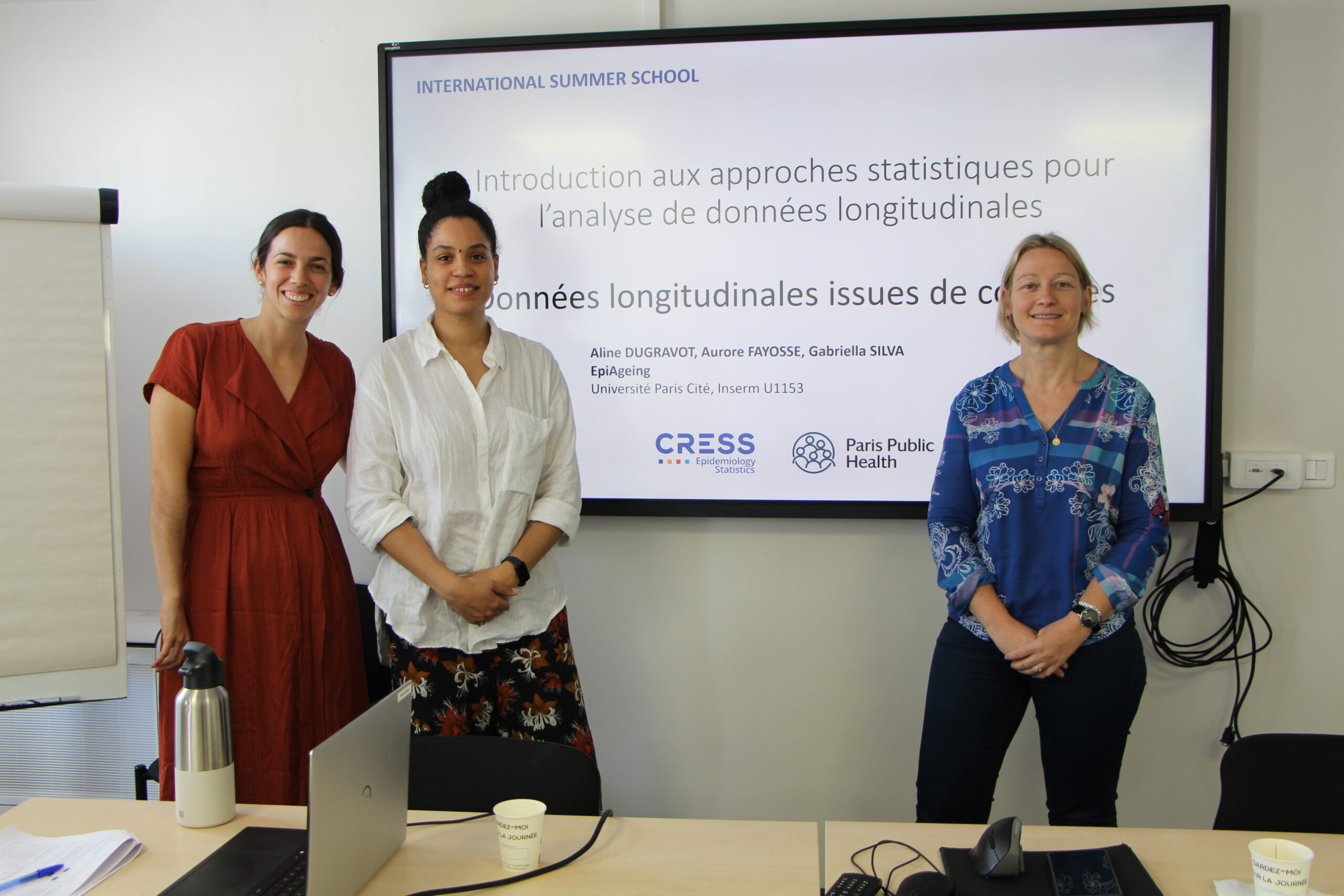
This course aims to present several statistical methods for analysing longitudinal data, in order to help participants select the most appropriate approach for their research questions.
After an introduction to the different types of longitudinal data, the first part will focus on analysing the risk of an event occurring (survival analysis), incorporating the use of age as a time scale, time-dependent data, competitive risk of death, and introducing multi-state models.
The second part will explore the analysis of repeated data over time, with the aim of modelling trajectories in different groups and comparing them. Linear and logistic mixed models will be presented, with a particular focus on modelling the effect of time. A conceptual presentation of trajectory profile analysis will also be given.
Each section will include an introduction to the relevant statistical models, accompanied by concrete examples. These examples will cover both the implementation of analyses in R and the interpretation of the coefficients obtained.
Prerequisites: basic knowledge of statistics, good practice in standard regression models (linear and logistic) and data management, knowledge of R software.
Software to be installed in advance: R
General information
About this course
Dates
Prices
Programme
Day 1
- Introduction to different types of longitudinal data. (Aline Dugravot)
- Methods for analysing the risk of an event occurring (survival analysis): Kaplan–Meier curve, Cox model (using different time scales), time–dependent variables, competitive risk and multi–state model. (Aurore Fayosse)
- Application in R (Aurore Fayosse)
Day 2
- Methods for analysing repeated data over time (modelling change): Modelling the effect of time (using different time scales); Taking into account the correlation between observations (linear and logistic mixed models); Identifying trajectory profiles (subgroups sharing similar trajectories). (Aline Dugravot)
- Application in R (Aline Dugravot, Gabriella Silva)
Speakers
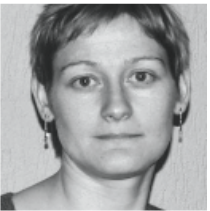
Aline Dugravot
Aline Dugravot is a biostatistician and scientific project manager. She trained as a biostatistician and joined the EpiAgeing team (CRESS UMR 1153) in 2006, before obtaining a permanent position in 2014. Her expertise lies in the analysis of longitudinal data, with experience in the use of mixed models, multi-state models, and analyses that take into account missing data and attrition.
Her role in the EpiAgeing team is to contribute to the methodological aspects of the team’s research and to guide the statistical analysis plans of master’s and doctoral students. She also manages the implementation of the new CIRCAME cohort of 1,500 patients seen in memory centres in Parisian hospitals to study the role of circadian rhythm in dementia.

Aurore Fayosse
Aurore Fayosse is a biostatistician and large database manager. She joined the EpiAgeing team (CRESS UMR 1153) in 2015. Her expertise lies in meta–analyses, risk prediction models and longitudinal data analysis.
She has two roles within her research team. The first is to undertake statistical analyses on various projects and to guide the statistical analysis plans of master’s and doctoral students. The second is the responsibility for managing longitudinal cohort data. This involves the complete supervision of the life cycle of data, which is often complex and voluminous, and the construction of derived variables and the harmonisation of data for pooled analyses.

Gabriella Silva
Gabriella Silva is a biostatistician and postdoctoral researcher. After obtaining her PhD in biostatistics in 2021 at Brown University (United States), she worked as a researcher for an American healthcare company for two years. Her experience focuses on the analysis of missing data and causal inference in observational studies. She joined the CRESS EpiAgeing team in 2024 to study access to aids and accommodations in France using survey analysis methods. Her research also focuses on analysing the UK Biobank database to better understand the heterogeneity of multimorbidity profiles.