

Module
Épidémiologie et recherche clinique dans les maladies musculosquelettiques
Teaching conducted in French

This two-days module provides an in-depth exploration of contemporary methodological approaches applied to research on musculoskeletal diseases, with a particular focus on chronic inflammatory rheumatism and orthopedic conditions.
Through a program combining theoretical foundations and practical applications, participants will explore the implementation of pragmatic interventional trials, methods for characterizing the pathophysiology of autoimmune diseases (including environmental and genetic aspects), as well as the use of artificial intelligence and health databases to improve screening, patient management, and orthopedic research.
The module aims to provide participants with solid methodological tools and an integrated understanding of the current challenges in clinical and epidemiological research in the musculoskeletal field.
Prerequisites: Basic knowledge of musculoskeletal diseases and clinical research methods, with an interest in epidemiology, data analysis, and innovative tools such as artificial intelligence.
Practical information
Teachings
Dates
Prices
Programme
Day 1
- Implementation of pragmatic interventional trials in chronic inflammatory rheumatism: from theory to practice
- Methodology in characterising the pathophysiology of autoimmune diseases and chronic inflammatory rheumatism: environmental and genetic aspects
Day 2
- Improving musculoskeletal screening and management through artificial intelligence
- Use of databases for orthopaedic research
Speakers
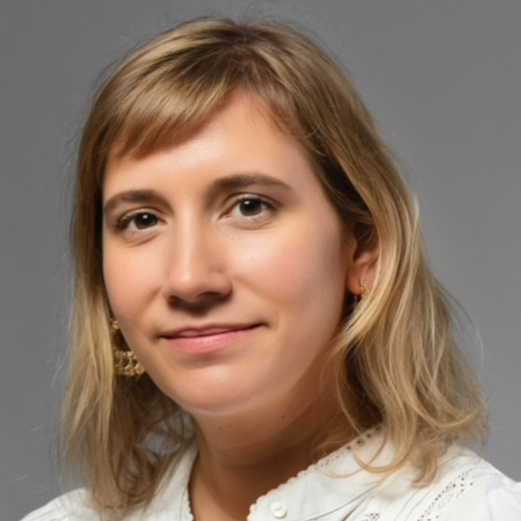
Anna Molto
Anna Molto is a rheumatologist, hospital practitioner in the Rheumatology Department at Cochin Hospital, as well as an epidemiologist and postdoctoral researcher with the ECAMO team at the Centre for Research in Epidemiology and Statistics (CRESS).
Her work focuses on the prognosis of recent axial spondyloarthritis, a field in which she is recognised nationally and internationally: she contributes to national and international recommendations on this condition and has conducted pragmatic randomised trials of therapeutic strategies (TICOSPA: the first pragmatic trial of a target treatment strategy in the field of spondyloarthritis, the aim of which was to demonstrate the impact of a “treat–to–target” therapeutic strategy compared to standard care; COMEDSPA, which aimed to evaluate the impact of a nursing programme for the management of comorbidities and a self-assessment programme) but also by using complex statistical approaches to evaluate the efficacy of biological treatments based on observational data (namely the short- and medium-term efficacy of anti-TNF alpha agents in patients with recent spondyloarthritis).

Yann Nguyen
Yann Nguyen is a senior lecturer at Paris Cité University, an internist at Beaujon AP–HP Hospital, and a researcher in the ECAMO team at the Centre for Research in Epidemiology and Statistics (CRESS).
His work focuses on the epidemiology of autoimmune and systemic diseases (rheumatoid arthritis, systemic lupus, Sjögren’s syndrome, vasculitis). In particular, he explores the links between the environment, diet, and the risk of developing these immune diseases. He is also interested in the prognostic factors for the progression of these diseases.
As head of the Lysosomal Disease Reference Centre, he is interested in the epidemiology of Gaucher disease.

Christian Roux
Christian Roux is a professor of rheumatology at Paris–Cité University and a hospital practitioner in the rheumatology department at Cochin Hospital (APHP–Centre).
His work focuses on the epidemiology of bone fragility diseases, primary and secondary osteoporosis, and rare bone diseases.
He has published more than 300 articles on this subject in recognised international journals, particularly in two areas: fracture risk assessment and identification of patients requiring treatment, and the development of treatments for bone diseases.

Karine Briot
Karine Briot is a professor at Paris-Cité University and a hospital practitioner in the rheumatology department at Cochin Hospital in Paris. She is a researcher in the ECAMO team at the Centre for Research in Epidemiology and Statistics (CRESS) and head of the reference centre for rare calcium and phosphate metabolism disorders.
Her work focuses on the epidemiology of bone fragility diseases, particularly primary and secondary osteoporosis and rare bone diseases. She seeks to improve the characterisation of fracture risk and enhance the screening and prevention of osteoporosis. She is also working on the implementation and validation of tools and care pathways designed to improve the management of patients at risk of fracture. She is involved in the development of innovative treatments for rare bone diseases.