

Module
Research in Epidemiology of Ageing: a lifecourse approach
Teaching conducted in English
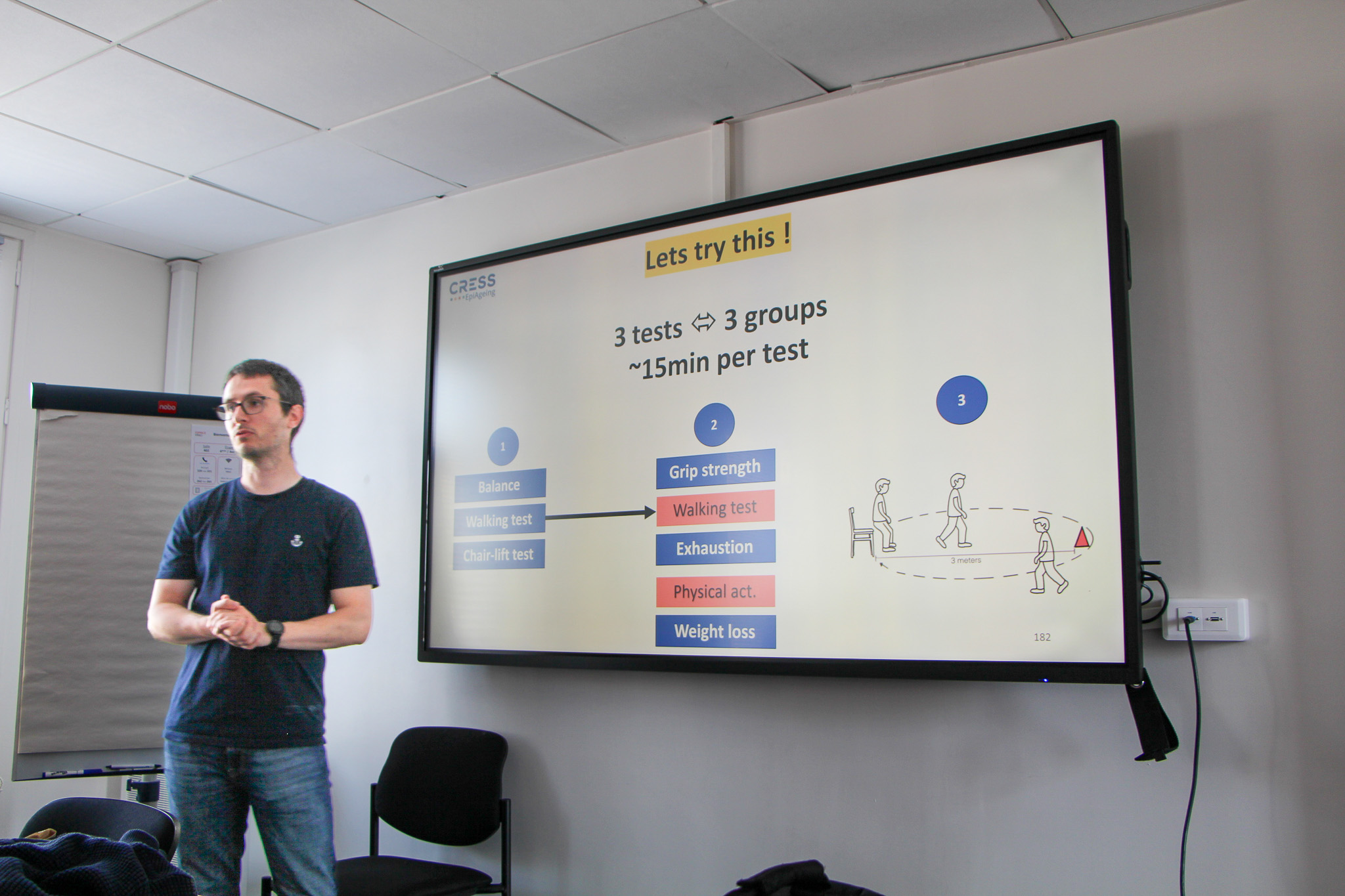
This course will inform on the importance of using a lifecourse approach in the context of the research on health during ageing. The demographic transition due to increase in life expectancy raises the challenge to keep individuals healthy and autonomous as long as possible. This course will introduce different perspectives on the epidemiology of ageing:
1) Increase in life expectancy and its impact on health and quality of life of older adults;
2) physical functioning and the concept of frailty;
3) cognitive functioning, Alzheimer’s disease, and other neurocognitive disorders;
4) the concept of multimorbidity.
The course will provide tools on how to measure these different concepts in population-based cohorts with interactive plays, the evidence from the literature on risk factors for these ageing outcomes, and the importance of measuring both risk factors and markers of these outcomes starting in midlife. Also, participants will work in group to provide a critical review of an article in order to discuss potential biases that could be encountered in the studies of ageing outcomes.
Prerequisites: Knowledge in epidemiology or public health.
General information
Teachings
Dates
Prices
Programme
Day 1
Session 1: Population ageing and its challenge
a. Change in life expectancy and age pyramid over the last decades and their consequences
b. Changes in causes of death over time by country income level
c. What is healthy life expectancy: impact of the definition
d. What is Epidemiology of Ageing?
e. What is a Lifecourse approach in Epidemiology?
f. Examples of different applied principles in lifecourse approach
Session 2: Cognitive decline and dementia
a. How to study cognitive decline in epidemiology: definition and challenges
b. Practical session: the use of cognitive tests in research
c. Dementia: definition, diagnosis and treatments
d. How did the prevalence of dementia evolve over the years?
e. Epidemiological studies targeting dementia: importance, methods and examples
Day 2
Session 3: Critical review of articles
a. Example n°1: studying population ageing
b. Example n°2: studying dementia
Session 4: chronic diseases and multimorbidity
a. Trends in the prevalence of chronic diseases in the population
b. Definition(s) and measurement(s) of multimorbidity in the general population
c. Influence of measurement of multimorbidity on associated characteristics and outcomes
d. Epidemiological indicators of multimorbidity
e. Etiological mechanisms & risk factors throughout life
f. Multimorbidity in practice: management and evidence-based multimorbidity care.
Day 3
Session 5: Frailty
a. Aging and concept of frailty
b. Definition(s) and measurement(s) of frailty
c. Practical session: evaluations of frailty
d. Prevalence, risk factors, and consequences
e. Care strategies
Session 6: Methodological aspects
a. Building risk scores to predict the risk of dementia
b. Methodological challenges when studying multimorbidity
Speakers
Séverine Sabia
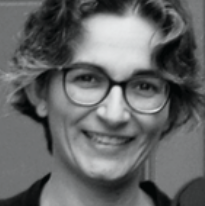
Séverine Sabia is a research director at INSERM in epidemiology. She completed her postdoctoral studies between 2010 and 2014 at University College London (UCL) and was recruited by INSERM in 2015. Her main research focuses on the role of health behaviours in health outcomes during ageing, particularly dementia, disability and frailty. She set up the accelerometry study in the Whitehall II cohort in 2012 and has since led methodological research projects on the analysis of accelerometry data and others on the role of objectively measured physical activity and sleep on health during ageing. This has led to a project on circadian rhythm and dementia using data from a general population (the Whitehall II cohort) and from patients in memory centres (the CIRCAME cohort).

Céline Ben Hassen
Céline Ben Hassen is a biologist, biostatistician and postdoctoral researcher. After completing a PhD in biology, she obtained a master’s degree in biostatistics and worked as a postdoctoral researcher at the Institute of Public Health, Epidemiology and Development (ISPED) in Bordeaux in 2020. She joined the EpiAgeing–CRESS team in 2021. Her research focuses on Alzheimer’s disease and related disorders, with an approach based on the study of trajectories and associations throughout the lifespan. She is working on identifying risk factors and constructing a dementia risk score.
Benjamin Landré
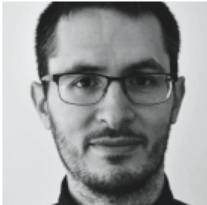
Benjamin Landré is a postdoctoral researcher in epidemiology. He joined the CRESS EpiAgeing team in 2020 as a postdoctoral researcher. His main research interest is understanding the factors that contribute throughout life to the onset of limitations in activities of daily living in older people. His research focuses on physical function trajectories, understanding the factors contributing to their heterogeneity, such as frailty or multimorbidity, and identifying early markers of accelerated ageing.

Gabriella Silva
Gabriella Silva is a biostatistician and postdoctoral researcher. After obtaining her PhD in biostatistics in 2021 at Brown University (United States), she worked as a researcher for an American healthcare company for two years. Her experience focuses on the analysis of missing data and causal inference in observational studies. She joined the CRESS EpiAgeing team in 2024 to study access to aids and accommodations in France using survey analysis methods. Her research also focuses on analysing the UK Biobank database to better understand the heterogeneity of multimorbidity profiles.
Clémence Cavaillès
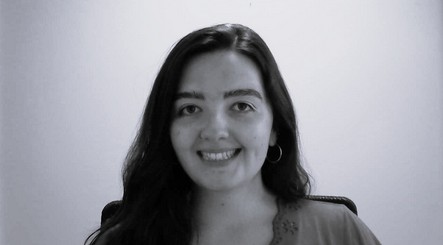
After completing a PhD in epidemiology on the relationship between sleep disorders and dementia risk at the Montpellier Institute of Neurosciences, Clémence Cavaillès pursued postdoctoral research on sleep and brain health at the University of California, San Francisco (USA). She joined the EpiAgeing team in May 2025 as a postdoctoral researcher. Her work focuses on the complex interplay between sleep, circadian rhythms, and cognitive ageing, with a particular interest in identifying at-risk populations and understanding the mechanisms linking sleep and cognition across epidemiological cohorts.
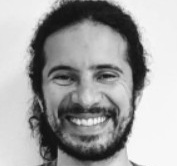
Ian Meneghel Danilevicz
Ian Meneghel Danilevicz completed his PhD under a joint agreement between the Federal University of Minas Gerais (UFMG, Brazil) and Université Paris-Saclay (France). His doctoral research focused on extending quantile regression methods to longitudinal data. He developed two software packages in R and C++, which are available on the Comprehensive R Archive Network (CRAN). He joined the EpiAgeing-CRESS team in 2023, where he works on the methodological analysis of accelerometer data measuring physical activity and sleep, and their associations with dementia. His current research applies time-series and machine-learning methods to stochastic biological processes.